4K vs OLED TV: What’s the difference?
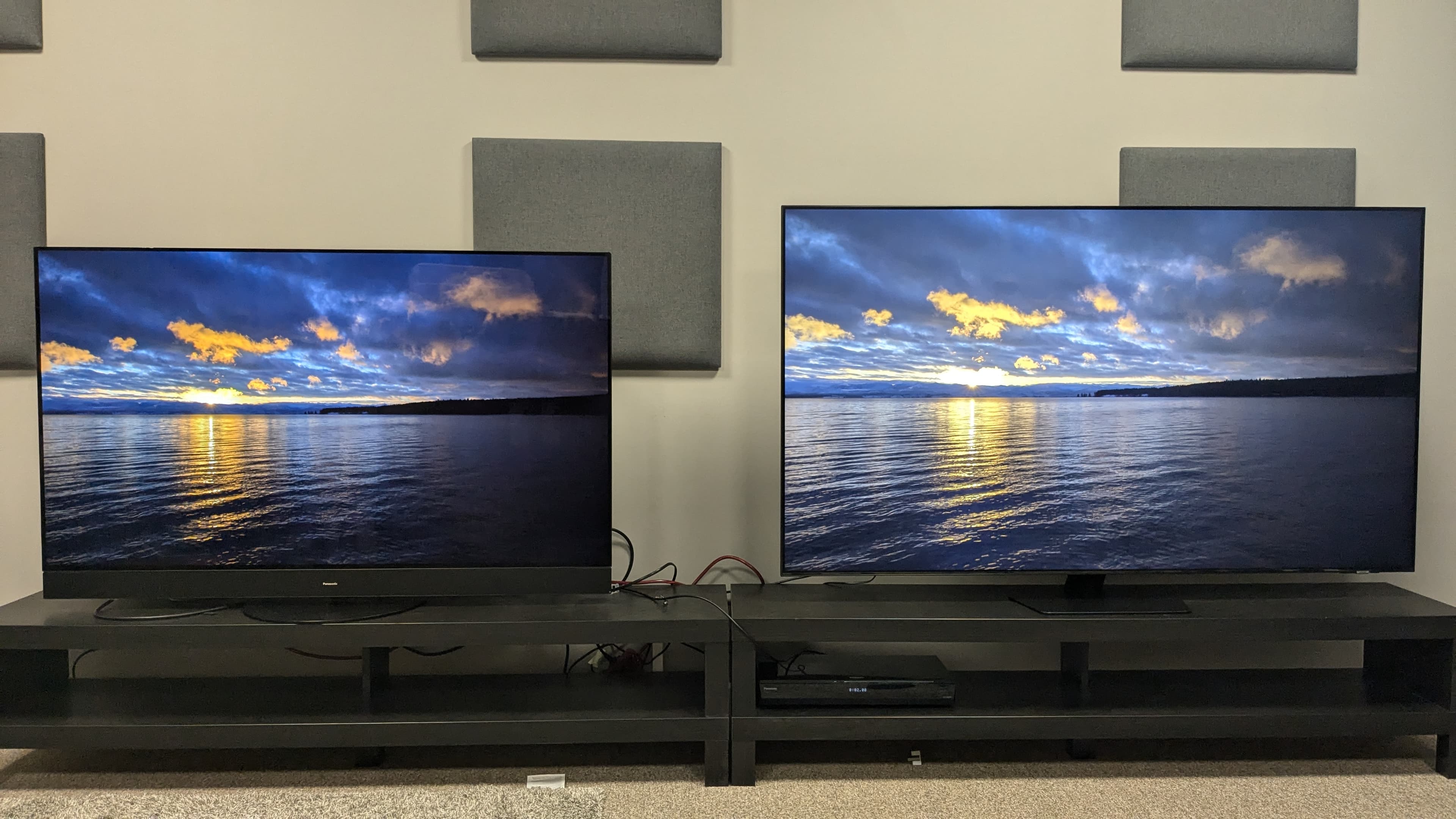
When shopping for a new TV, one of the most important questions buyers ask is: OLED TV or 4K – which should you pick? The confusion usually comes from the fact that these terms are describing two entirely different things about a TV. One is talking about the display technology , the other is talking about the screen resolution .
Understanding how they work together can help you avoid marketing confusion and find the right television that really matches your viewing habits, gaming preferences and budget.
OLED TV and 4K – what’s the difference?
The one biggest misconception in the debate between 4k and oled tv is that they are competing technologies.
4K is resolution A 4K television has about 3,840 × 2,160 pixels, so it displays sharper images, more detail, and better clarity than Full HD televisions.
OLED is a display technology on the other hand. OLED = Organic Light Emitting Diode OLED TVs don’t rely on a backlight like traditional LED TVs do. Instead, each individual pixel produces its own light and can turn off on its own.
That means you could actually buy a 4K OLED TV, with the high resolution and the premium display performance.
Picture Quality Shootout
For many buyers the deciding factor is often the picture quality.
Thanks to the ability of each pixel to turn off completely, OLED TVs provide incredible contrast and true blacks. This creates deeper shadows and a more cinematic feel while watching.
Even standard 4K TVs with LED or QLED panels have great sharpness thanks to their resolution. But, since they rely on backlighting, black levels can appear greyish in dark scenes.
If you’re looking to watch movies in dim environments, OLED technology generally offers the better visual experience.
Benefits of OLED
- Real black levels
- Contrast ratio near-infinite
- Great viewing angles
- Fast pixel response times
- Less motion blur
- Benefits of Traditional 4K LED
- Lower prices
- Higher peak brightness on select models
- Broader availability across budgets
- Reduced risk of image retention issues
- Gaming Performance
With gaming becoming a more common use for modern televisions, performance is an important factor.
Many people consider OLED tvs to be great gaming screens due to their near instantaneous response times. Premium OLED models now come standard with HDMI 2.1 connectivity, Variable Refresh Rate (VRR), Auto Low Latency Mode (ALLM) and 120Hz refresh rates.
Traditional 4K TVs can also offer a great gaming experience, especially newer ones with similar gaming features. But response times are generally slower than those of OLED panels.
Gamers using consoles such as the PlayStation 5 or Xbox Series X are often more likely to prefer OLED for its better motion processing and more impressive HDR performance.
Room Conditions and Brightness
Depending on where you plan to place your television, brightness can play a big part.
The improvements have been significant, but many LED-based 4K TVs can achieve higher sustained brightness levels. This can be beneficial in bright living rooms with large windows and high daytime viewing.
OLED TVs perform really well in controlled lighting environments where their superior contrast can really shine.
So the state of your room should be as much a factor in your decision as the specifications themselves.
Where does an LG 65 Inch TV Fit In?
Consumers often look for a lg 65 inch tv because LG has options in many categories.
LG’s OLED lineup is known particularly for its premium picture quality and cutting-edge gaming features. This type of models is designed for movie fans and serious gamers who want to have a flagship performance.
At the same time, LG also makes traditional 4K LED TVs for buyers who want affordability without sacrificing modern smart features.
With a lg 65 inch tv, the choice isn’t so much about the brand, but rather whether you want oled picture quality or the value of a standard 4k led model. Price and value in the long term
Often the final decision is a budget decision.
But for the average household, traditional 4K LED televisions are still the most accessible option. They provide great picture quality, smart features and bigger screen sizes at affordable prices.
The advanced display technology of OLED televisions is the reason for their premium price. It costs more, but many users feel the better viewing experience is worth the cost, especially for home theatres and next-gen gaming setups.
Consider how often you watch movies, play games and use your television in general to assess long-term value.
Which one should you pick?
It all depends on what you need, whether you get an oled tv or 4k tv.
Opt for an OLED TV, if you:
- Want the best possible contrast and blacks.
- Watch movies frequently in darker surroundings.
- Focus on the responsiveness of your games and the quality of the image.
- Are willing to pay more for premium performance.
- Opt for a conventional 4K LED TV if you:
- Looking for something less expensive.
- Watch TV primarily in brightly lit rooms.
- Looking for a big screen but want to pay less.
- Instead of premium upgrades, focus on practical value.
Final Thoughts
The oled tv or 4k debate isn’t about one or the other being the best, because both terms refer to different aspects of television technology. The resolution determines how sharp the image is, while the display technology determines how the images are created.
For viewers looking for the ultimate cinematic and gaming experience, OLED remains one of the most impressive display technologies around today. Meanwhile, traditional 4K TVs continue to offer great value and accessibility to the mainstream home.
Understanding your viewing habits, room conditions and budget will help you to confidently select the TV that delivers the experience you want whether it’s a premium OLED model or a versatile lg 65 inch tv built around traditional 4K technology.